
Service area
General contractor in
Montclair, New Jersey
Montclair
Bathroom and kitchen remodeling, plaster restoration and carpentry for Montclair's 1880s-1930s housing stock, from a contractor based one town over.
Zack's Home Improvement is a general contractor based in Clifton, the next town over. We remodel bathrooms and kitchens, restore plaster, install tile, and handle carpentry, painting and full renovations, with our own crews doing the core trades rather than a chain of subcontractors. Most of our work is in houses built before the Second World War, which is exactly what Montclair is made of. A 1910 Colonial does not behave like new construction, and the contractor working on it should not treat it like one. Call (973) 968-8646 and tell us what the house needs.
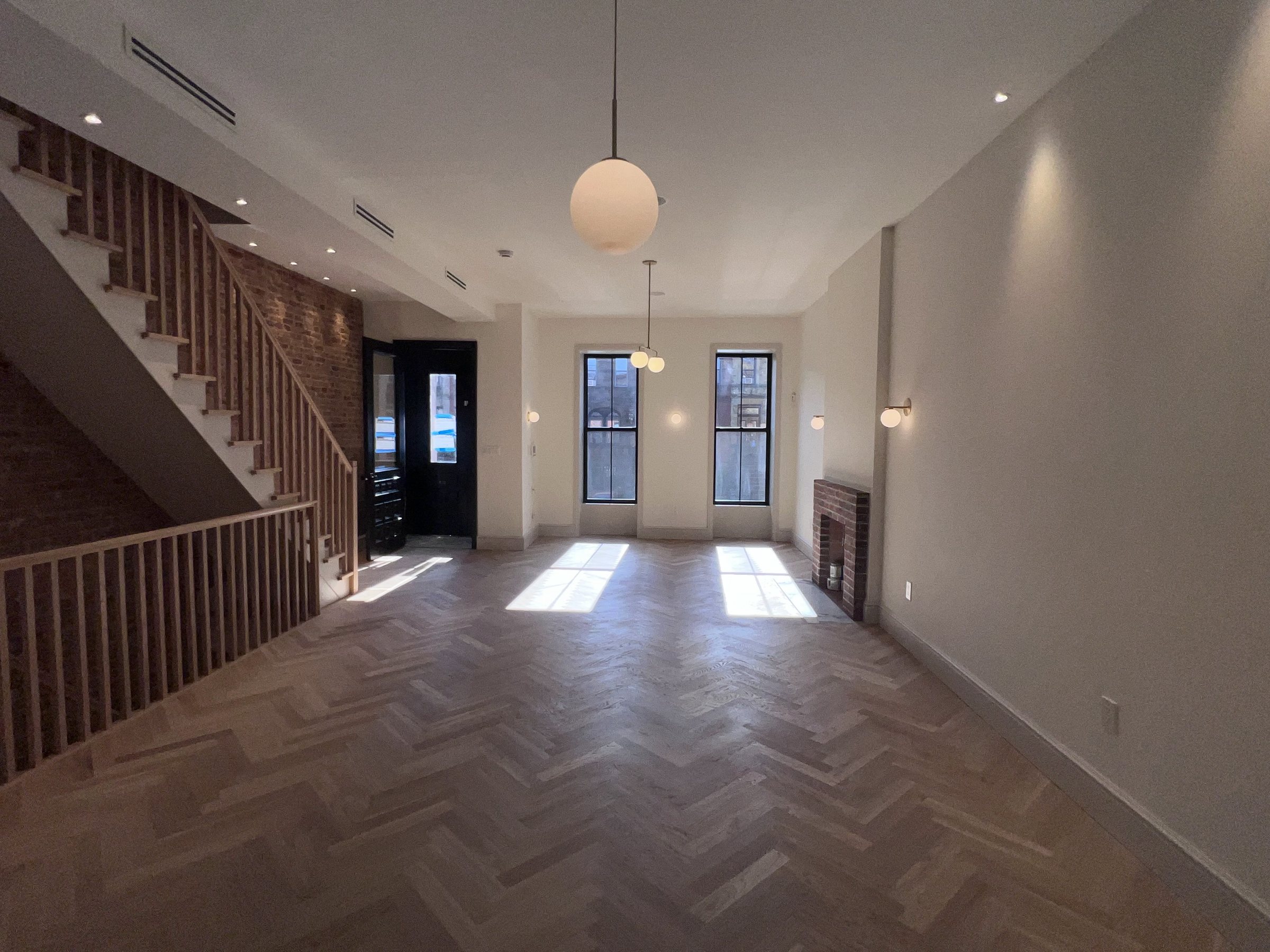
The houses here were built by hand, with materials nobody uses anymore: three-coat plaster over wood lath, true-dimension framing lumber, oak flooring, slate on the roof. Renovating inside a shell like that is a different discipline from flipping a 1970s split-level. Walls are rarely plumb, floors are rarely level, and behind any wall you may find a century of layered wiring and abandoned pipe. We plan for that instead of pretending it will not happen, we price the likely surprises up front, and we keep the parts of the house that are worth keeping.
Victorians, Tudors and Colonial Revivals: Houses Built Before Drywall
Most of the town went up between the 1880s and the 1930s: large Victorians, Colonial Revivals, Tudors and Craftsman houses, with the grandest of them in Upper Montclair. Nearly all of them share the same construction: lath-and-plaster walls, stone foundations, radiator heat, and original oak floors that are often still sitting under decades of carpet. Wiring from the knob-and-tube era has usually been layered over two or three times since. None of this is a problem in itself. It becomes a problem when a contractor opens a wall expecting drywall and modern framing, and prices the job as if that is what is there.
Plaster is the clearest example. Homeowners here tend to want it repaired, not demolished, and they are right to. Sound three-coat plaster is harder, denser and quieter than any drywall replacement, and tearing it out drags original trim, corner beads and picture rail down with it. Our approach is to save what is sound, key and re-adhere what has come loose from the lath, skim what is cracked, and open walls surgically where the plumbing or wiring actually requires it. The same logic applies to trim: we would rather knife-grind a profile and run matching stock than replace a room's casing with something off the shelf.
Bathrooms and kitchens are where the old shell and modern expectations meet. A 1920s bathroom is small, plumbed in galvanized steel or old copper, and often carries the only stack in the house. Renovating it means updating supply, waste and venting to current code, building a properly waterproofed wet area with a membrane over the board, and doing it all inside a room whose framing was never square. That is the work we do most, and it is exactly the work these houses need.
Permits, Historic Districts and Working in Occupied Houses
We are based in Clifton, which shares a border with Montclair, so travel is short and a punch-list visit does not need to wait for a free morning. Renovation work here runs through the local building department under New Jersey's Uniform Construction Code: building, plumbing and electrical permits for the work that requires them, with rough and final inspections. We prepare the applications, schedule the inspections and meet the inspectors ourselves. On a gut bathroom or kitchen that sequence is routine, and we build the inspection points into the schedule instead of treating them as interruptions.
Several neighborhoods are locally designated historic districts, and exterior changes there can need review before a permit is issued. That mostly affects work visible from the street: windows, siding, porches, rooflines. Interior renovation is generally not restricted, but the boundary is worth knowing before you plan, because a bathroom addition that bumps a dormer is an exterior change even if everything you care about is inside. If your house falls in a district we say so at the estimate stage, build the review time into the schedule, and prepare the drawings and material details the review will want to see.
Most of the renovations we take on are in occupied houses, often with someone working from home and a train to catch in the morning. So we run jobs accordingly: dust containment with sealed zoned-off work areas and floor protection on the path in, water shutoffs announced a day ahead and kept short, and a site left broom-clean every evening. Old houses also hide their surprises until demolition, so we hold a contingency conversation before the first hammer swings. When we do find rot, undersized framing or dead wiring, you get photographs, options and a price, not a vague verbal change order.
Bathrooms, Kitchens and Plaster: The Work These Houses Ask For
Bathroom remodeling is our first trade, and it is the renovation these houses need most often. The original bathrooms are a century old, and even the good renovations from the eighties are failing at the pan and the valve. We gut to the studs, correct the framing, update the plumbing and wiring, then build the wet area correctly: cement board, a full waterproofing membrane over it with every seam, corner and penetration sealed, and tile on top of that. Sequencing is the discipline; electrical before insulation, board before tile, tile before glass templating. Done in order, nothing gets built twice.
The rest of our trades map onto this housing stock just as directly. Kitchens get opened up and rebuilt inside old framing, which is carpentry as much as cabinetry. Plaster and painting go together, because paint on badly patched plaster advertises the patch. Tile work covers everything from a hex mosaic floor that suits a 1920s bathroom to book-matched marble, a level of finish we have delivered in brownstone restorations across the Hudson. And for owners with a running list of smaller repairs, the same crews handle handyman work, so the person fixing your sash cords understands the house they belong to.
In their words
From our Google reviews
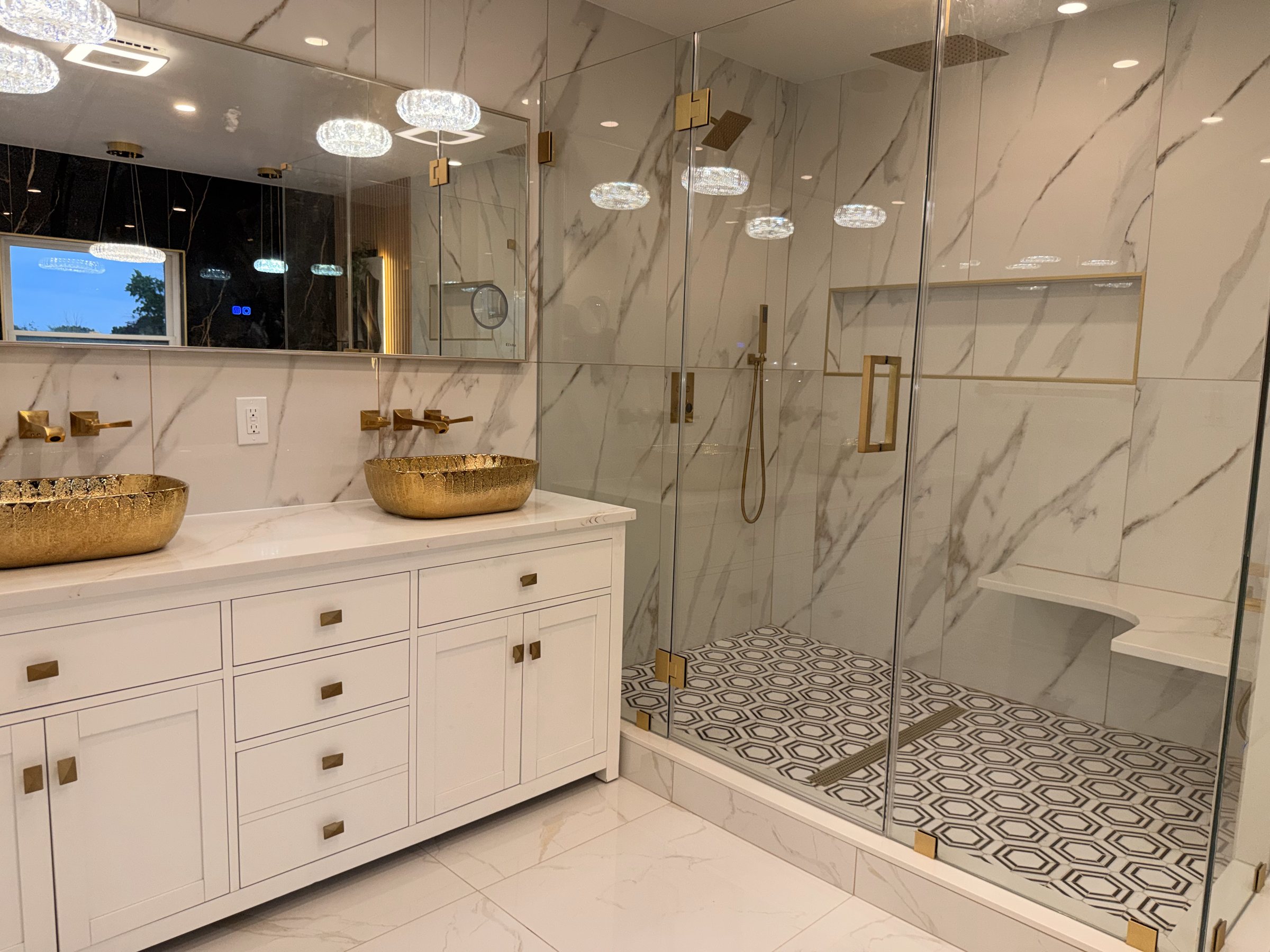
We hired Zack's Home Improvement for a full bathroom gut and they nailed it. They demo'd everything — bathtub, shower, and floor all the way down to the walls. From there they installed a beautiful dual shower, double vanity, new tile floor plus tile in the shower and shower floor, recessed lights, built-in shelves, and cabinets. The job came out fantastic. Quality tile work, everything is level and solid, and the plumbing is perfect with zero leaks. Zack and his crew were professional, respectful of our home, and kept us updated throughout. If you want a bathroom done right the first time, call Zack's Home Improvement.Michael TrocchiaGoogle review
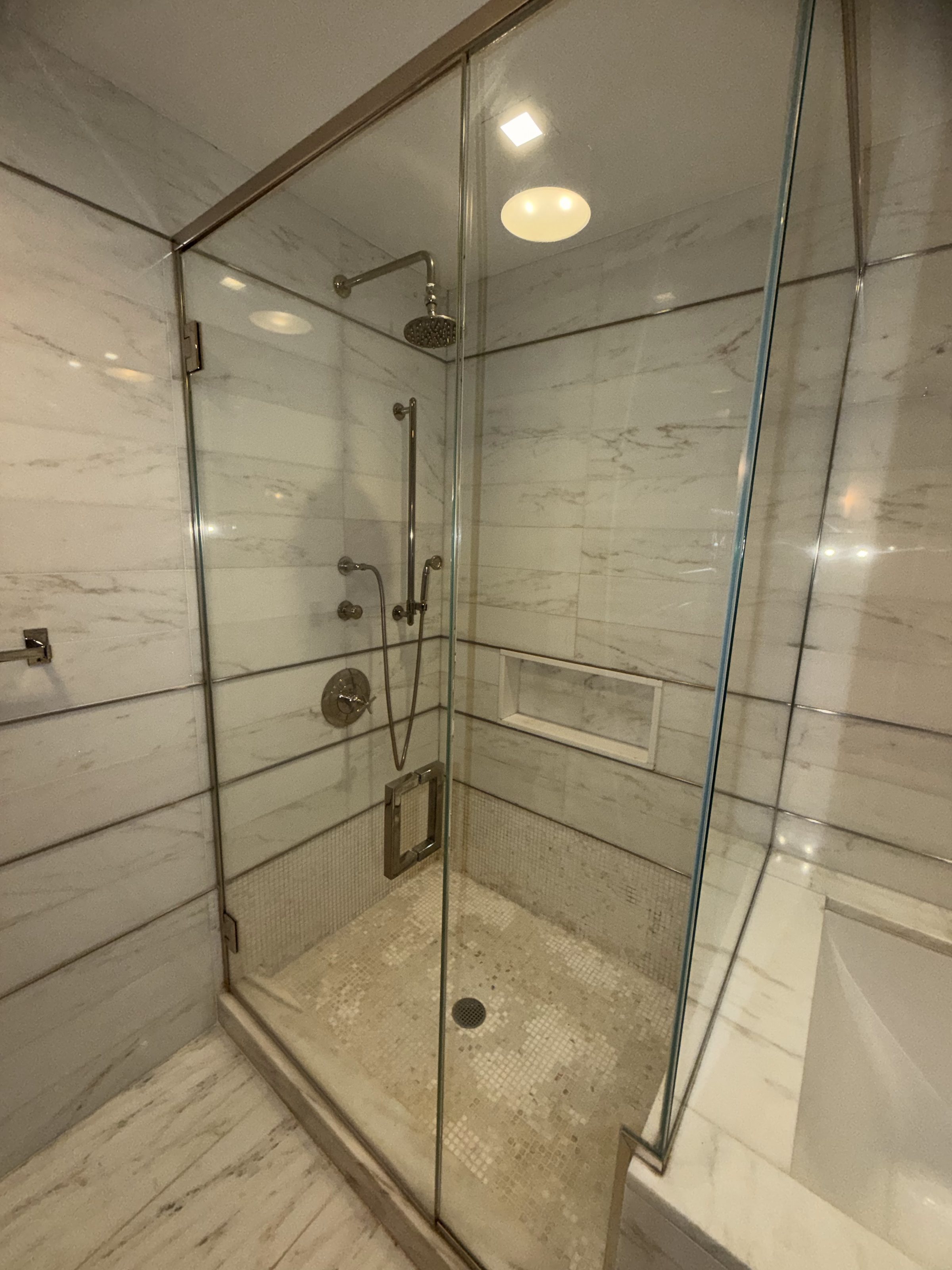
We could not have been more pleased with Willie with Zack's Home improvement with our master bathroom renovation. It all started with a large leak from the master shower into our office below, causing severe damage to the shower subfloor.Sanjay MehtaGoogle review
Common questions
Montclair homeowners ask
Can you repair our original plaster walls instead of replacing them with drywall?
Usually, yes, and it is generally the better outcome. If the plaster still keys to the lath we consolidate and skim it; where it has let go we reattach it with adhesive and washers or replace that section alone. We only recommend full demolition when the plaster has failed across a whole ceiling or the wall must open anyway for structural or mechanical work.
Our house is in one of the locally designated historic districts. Does that change a renovation?
For interior work, usually not. The districts are chiefly concerned with what is visible from the street, so kitchens, bathrooms and plaster restoration proceed normally. Exterior changes such as windows, siding or a dormer can require review before permits, which adds time but rarely changes what is buildable. We flag it during the estimate and fold the review into the project schedule.
There is carpet everywhere. Is the original oak floor underneath worth saving?
In houses of this era, almost always. The oak under old carpet is usually intact apart from tack-strip holes at the perimeter and staining at radiators, both of which sand out. We pull the carpet, assess board by board, weave in matching stock where a wall has moved or a register was cut, then sand and finish. Done properly, it reads as original because it is.
Will a bathroom remodel disturb the knob-and-tube wiring or old plumbing?
It will almost certainly meet them, which is the point of opening the walls. Any circuit we touch is brought to current code, and abandoned knob-and-tube in the work area comes out rather than getting buried again. Galvanized supply lines in the wet wall get replaced while everything is open. It costs less to correct these things mid-renovation than to reopen a finished tiled wall later.
Can you match the original trim and moldings if a wall comes down?
Yes. We trace the existing profile, have a knife ground to match, and run new stock so the casing, base and picture rail continue without a visible seam. Where only a short piece is missing we sometimes salvage from a closet or a wall that is being removed anyway. What we do not do is butt a modern colonial profile against hundred-year-old millwork and call it close enough.
Do you actually work in Montclair, and what does an estimate involve?
We are based in Clifton, minutes away, and Montclair is core service area for us, not an outer ring we quote reluctantly. An estimate starts with a walkthrough of the actual rooms, because in houses this age the honest number depends on what the walls are hiding. You get a written scope broken into line items, with likely contingencies named and priced rather than left to surprise everyone later. Estimates are free.
Start here
Tell us what you
are planning
We do not quote renovation work over the phone. We come and look at the space, then give you a written scope that says what is included and what is not.