
Service area
General contractor in
Nutley, New Jersey
Nutley
Bathroom, kitchen and whole-home remodeling for Nutley's 1920s colonials and two-families, run from our shop a few minutes up the road in Clifton.
Nutley sits directly against our home base in Clifton, which makes it about the easiest place we work. We are a general contractor at 67 Donna Dr, Clifton, and we self-perform the trades that matter most in houses like these: bathroom and kitchen remodeling, tile, drywall and plastering, painting and carpentry. When a house was built between 1910 and 1940, most of what a remodel touches is original, and the difference between a clean job and a mess is knowing what is behind the plaster before the first cut.
That closeness is not a slogan. A punch-list visit, a warranty call, or a quick look at a problem before you commit to anything is a short drive, not a scheduling event. We hold 4.9 stars across 53 Google reviews, and most of that reputation was earned in older North Jersey housing exactly like this: small bathrooms with cast-iron stacks, kitchens walled off from the dining room, plaster that deserves better than a skim of joint compound and a prayer.
Colonials, Capes and Two-Families: What This Housing Stock Needs
Most of the housing here went up between the 1910s and the 1930s: colonials, capes and two-families on close-set lots with short front setbacks and a detached one-car garage out back. Behind the walls, that era means original cast-iron waste stacks and galvanized steel supply lines. Galvanized closes up from the inside over decades, so the shower that has slowly lost pressure is not your imagination. When we open a bathroom of this age, we price replacing the supply runs and, where the stack is scaling or cracked, the cast iron back to the main.
The walls are plaster on wood lath, and plaster is worth keeping where it is sound. It is harder and quieter than drywall, and a properly keyed repair disappears in a way a patch never does. Where a wall has to come out for plumbing or wiring, we board and skim the new section so it reads flush with the old. The bathrooms are small, and most owners here want them reworked, not enlarged: better layout in the same footprint, a real membrane in the wet area, tile set flat and square.
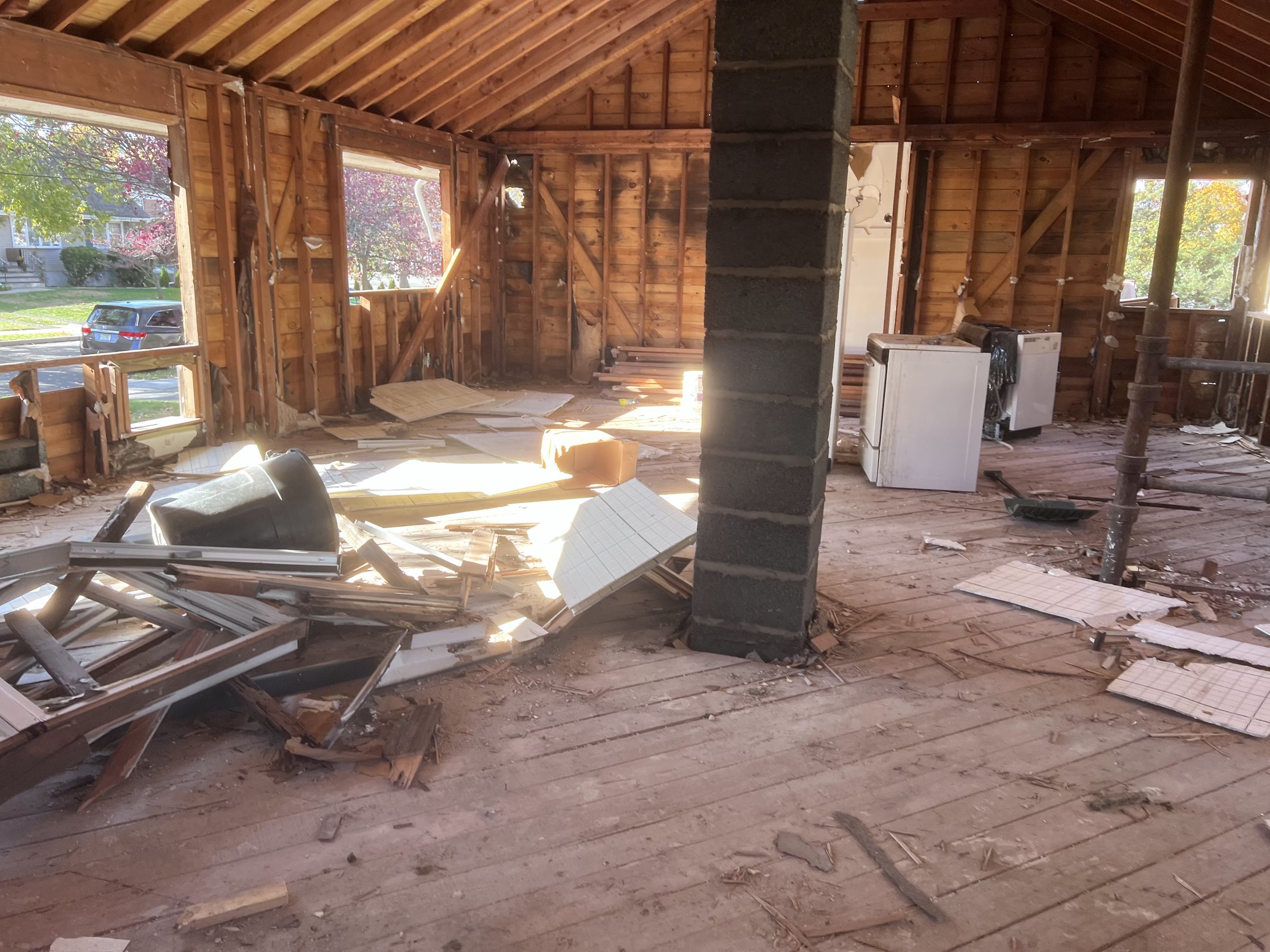
Kitchens of this era were built as work rooms and closed off from the dining room. Opening that wall is the single most requested change we see in houses like these, and it is rarely a simple demolition. In a colonial or a two-family, that wall is often carrying the floor above, so it comes down against a properly sized beam, with the load path followed to the foundation, not against a guess.
How We Run a Job in Nutley
On close-set lots there is nowhere to hide a sloppy job site. Your neighbor's kitchen window may be fifteen feet from your bathroom wall, so dust control and containment are not courtesies, they are part of the work. We seal the work area with zippered barriers, run negative air where we are cutting, protect floors and stair runs on the way in, and stage material tightly: in the garage, in the driveway, or in one bay of the basement, agreed with you before demolition starts, not improvised on day one.
Permits in New Jersey run through the Uniform Construction Code, and the local building department reviews and inspects like any other office: plumbing, electrical and building subcodes each sign off at rough and at final. We prepare the applications, meet the inspectors, and sequence the job so rough inspections happen before anything is closed up. A remodel that skips permits is cheaper right up until you sell the house, and then it is not.
Being one town over changes how a project feels day to day. Crews arrive early because the commute is minutes, a forgotten fitting is a supply run, not a lost afternoon, and if something needs a second look after the job closes out, we are nearby for the life of the work, not just the invoice. That is the practical advantage of hiring a contractor whose shop is genuinely close instead of one passing through.
The Services These Houses Call For Most
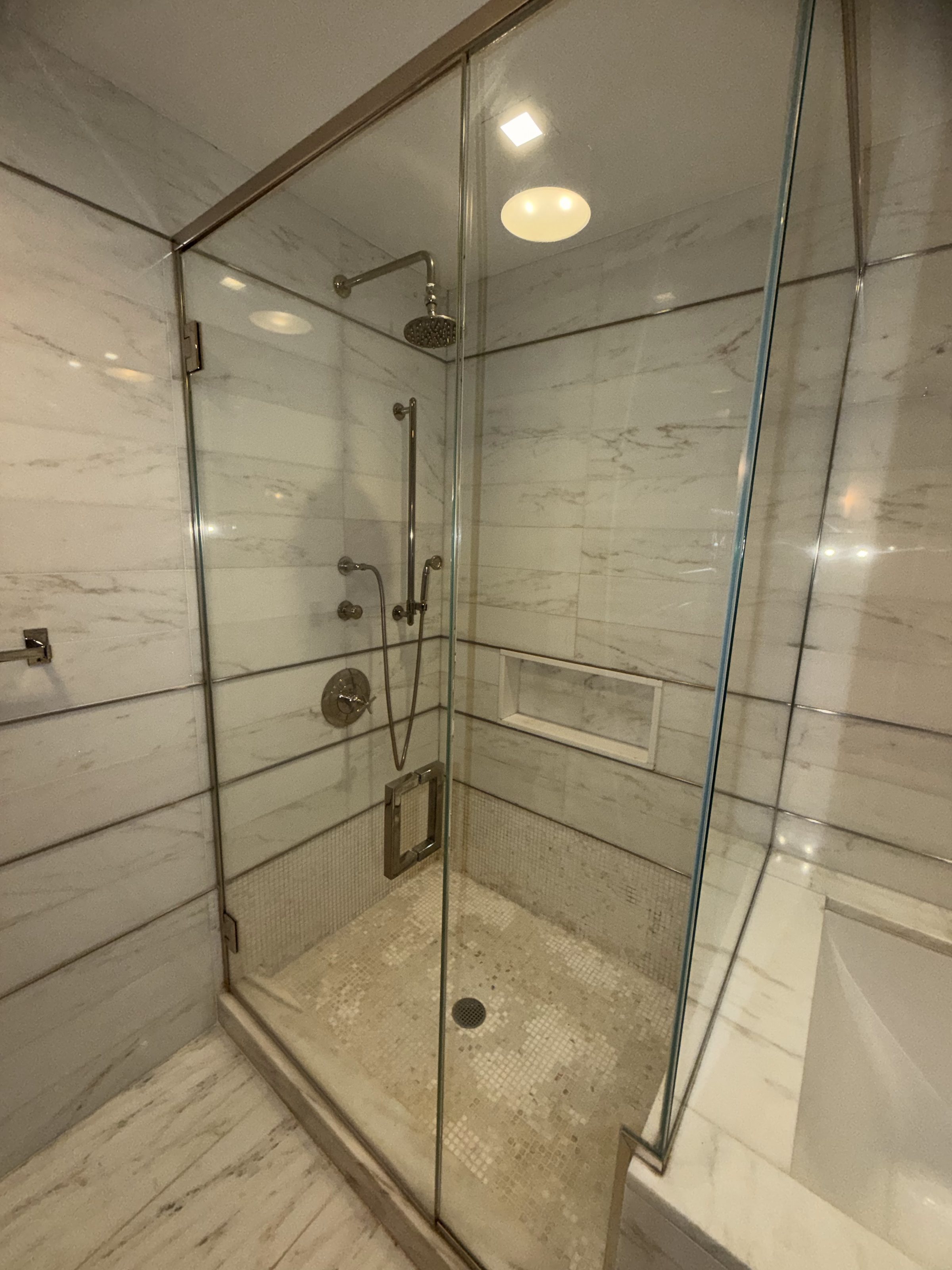
Bathroom remodeling is our first trade, and it is the job these houses need most. A pre-war bathroom is a small room where every trade meets: the cast-iron stack, the galvanized supply, the plaster, the tile, and the framing under a tub that has held water weight for ninety years. We self-perform the core trades and sequence the licensed plumbing and electrical around them: rough-in, then insulation, then board, then membrane, then tile, then glass. Cement board alone is not waterproof; the membrane over it, sealed at every seam and penetration, is what keeps the joists below dry.
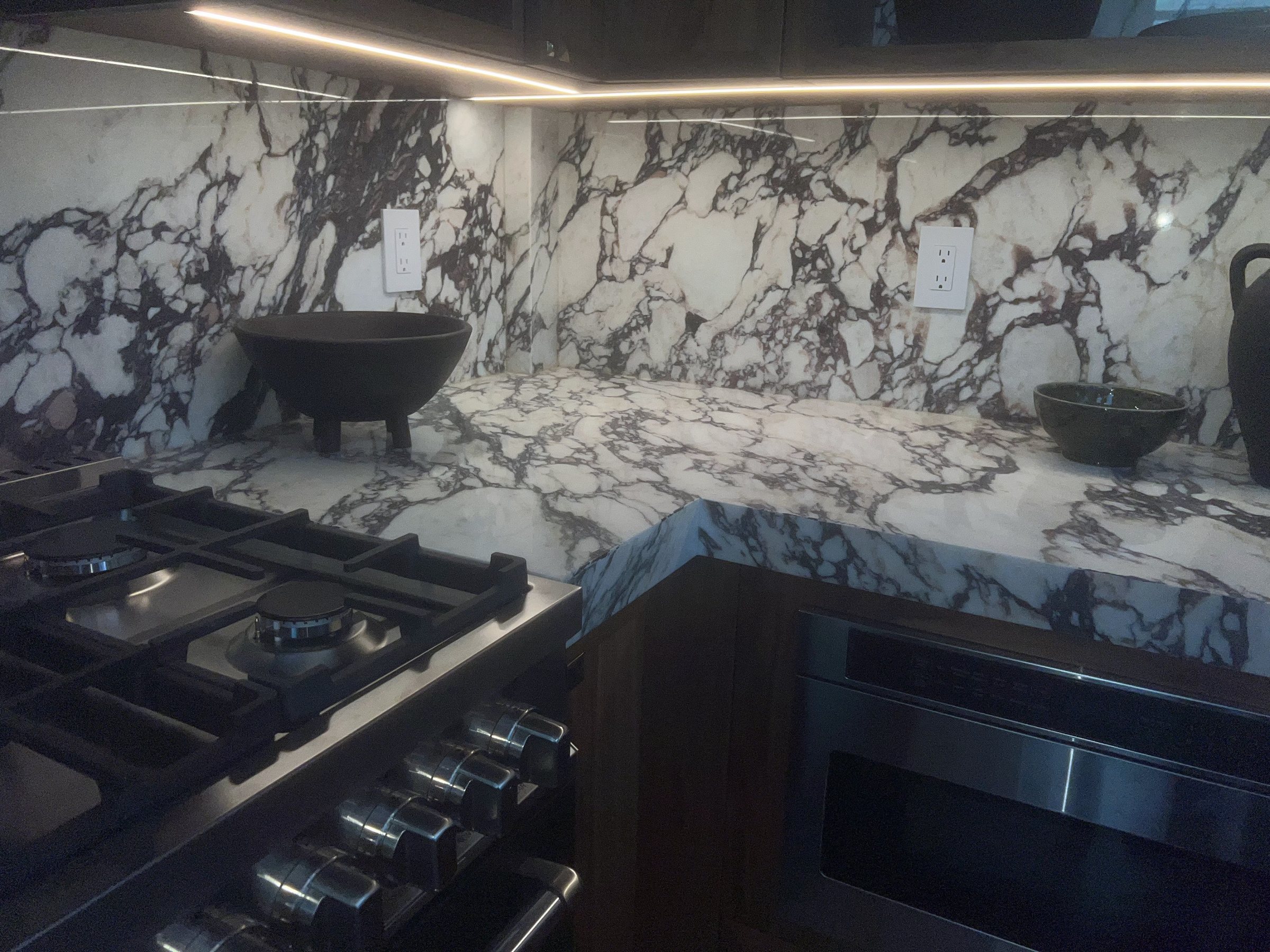
Kitchen remodeling follows close behind, usually paired with that wall opening into the dining room, and our tile, plaster and carpentry crews are what make old-house work look right when it is finished. Casings, baseboard and stair parts in these houses have profiles that big-box trim does not match, so we mill or scribe to what exists. For owners taking on a whole house at once, we run full gut renovations across North Jersey and restoration work in New York brownstones, so a compact colonial here is comfortable territory, not a stretch.
In their words
From our Google reviews
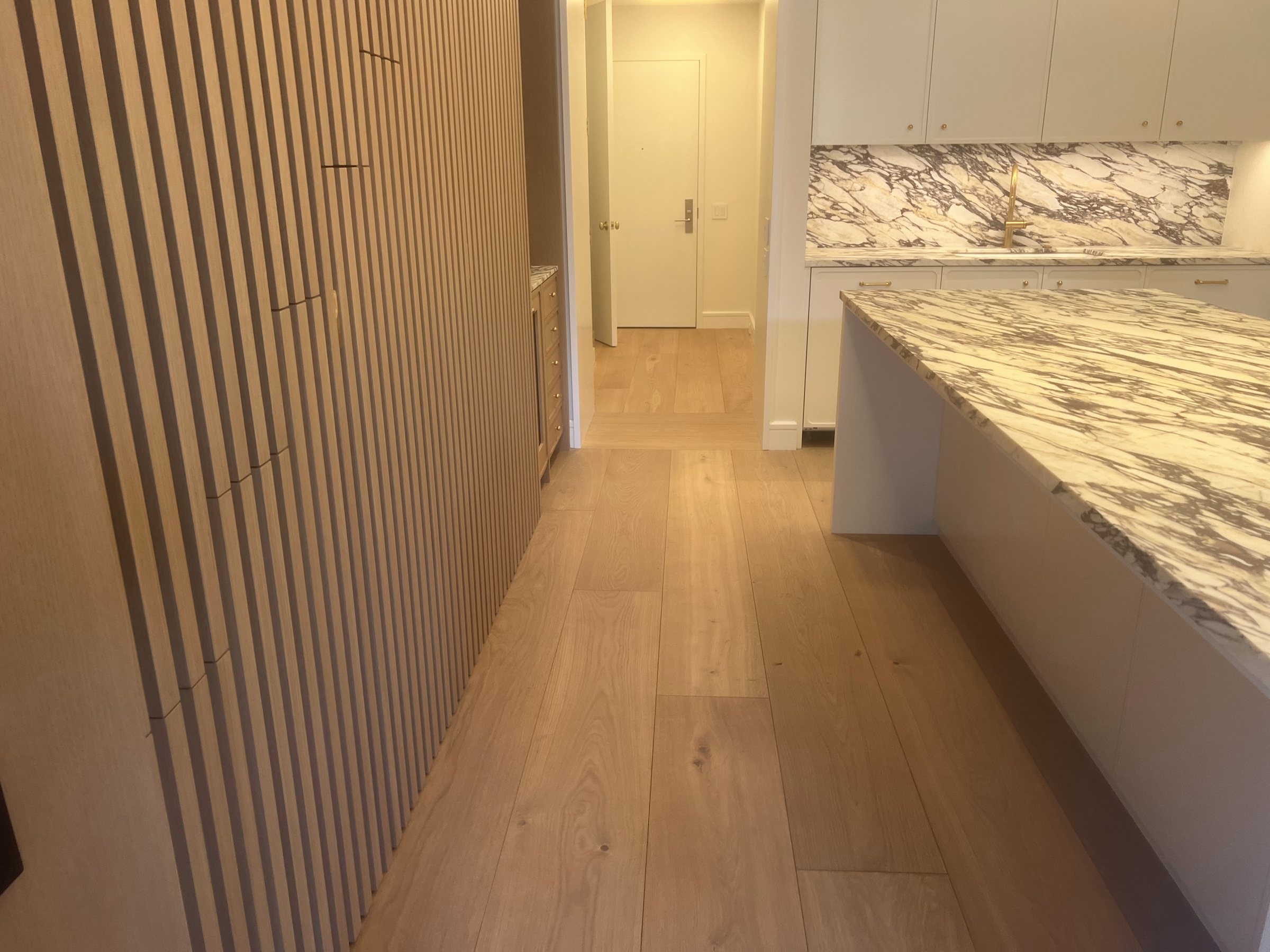
Willie and his crew are the best. Work is done to perfection, fast and reliable. We did our entire House with Willie from floors to a complete bathroom and kitchen gut reno.Shanna MGoogle review
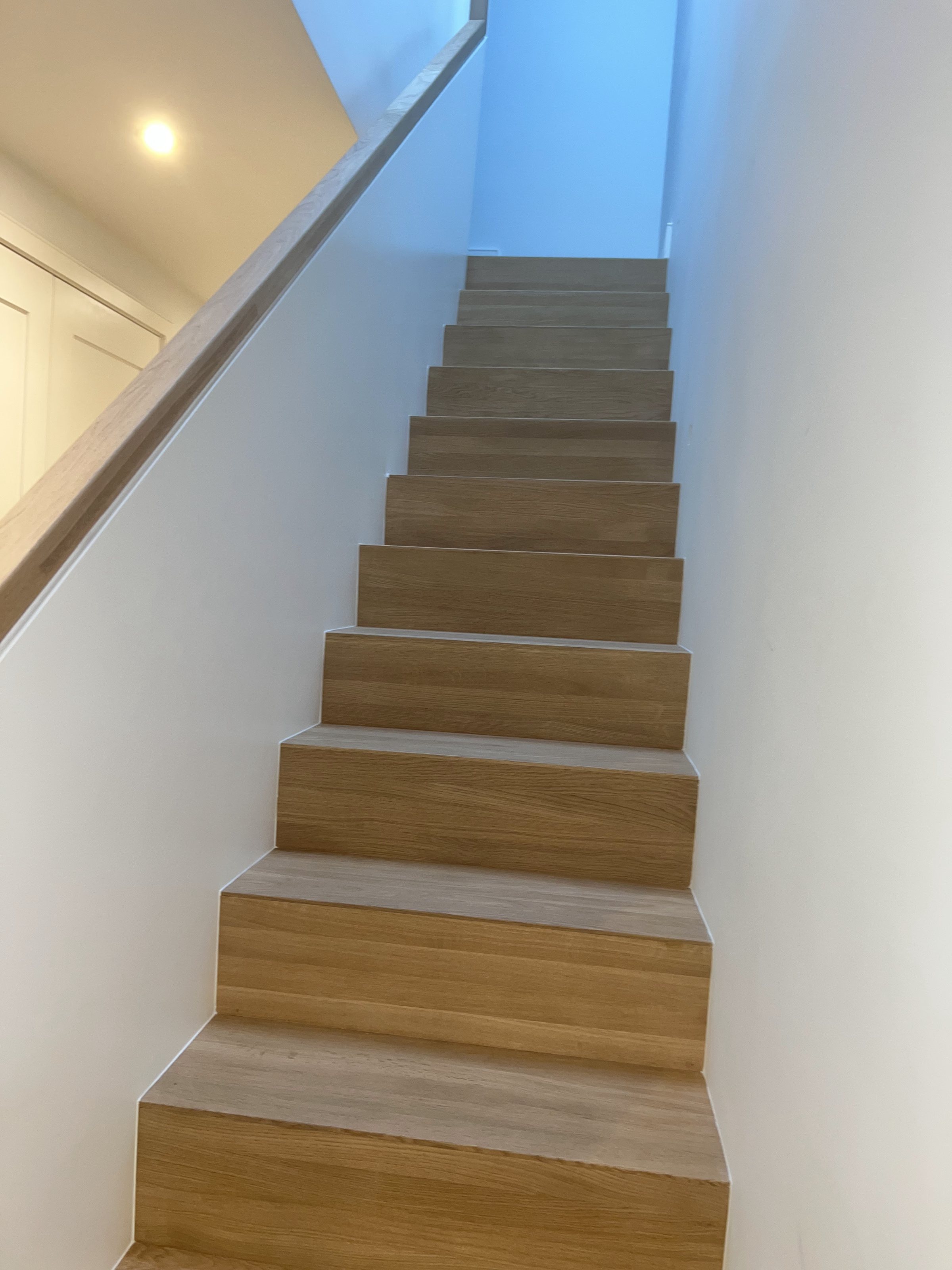
The best service ever! Willy, thank you for adding so much value to our home, and giving us the best quality for a reasonable price. Our 2nd floor is truly amazing!Sal JudehGoogle review
Common questions
Nutley homeowners ask
My bathroom is small and I don't want to move walls. Is a remodel still worth doing?
Yes, and that is most of what we do in houses of this age. Within the same footprint you can gain real function: a curbless or low-curb shower where a cramped tub was, a wall-hung vanity that frees floor area, recessed niches cut between studs, and a pocket door where a swing door eats space. The plumbing stays close to the stack, which keeps cost sane.
Do I have to replace the galvanized pipes if we redo the bathroom?
You do not have to, but it is usually the wrong money to save. Galvanized supply lines corrode shut from the inside, and tying new fixtures to failing pipe means opening finished tile later to fix what was already exposed during the remodel. While the wall is open we replace the runs serving that bathroom in copper or PEX. The cast-iron stack gets evaluated case by case; sound cast iron can stay.
Our houses sit close together. How do you keep the dust and mess off my neighbors?
Containment is planned before demolition, not after a complaint. We seal the work zone with taped and zippered plastic barriers, run air filtration in the cut area, bag debris inside and carry it out on protected floor paths. Outside, material staging stays on your driveway or in the garage, and we sweep the street side at the end of each day. Neighbors notice tidy; we count on it.
Do you handle the building permits with the town, or is that on me?
We handle them. New Jersey remodels run under the Uniform Construction Code, so a bathroom or kitchen that touches plumbing or wiring needs permits and subcode inspections at rough and final. We prepare the applications, schedule the inspectors, and sequence the work so nothing gets closed up before it is signed off. You should never be the one chasing an inspection date.
Can you take down the wall between my kitchen and dining room?
Usually, yes, and it is the most common request we get in houses from this era. The question is never whether the wall can come out but what it is carrying. In a colonial or two-family that wall often supports the floor above, so the opening gets a properly sized beam with the load carried down to the foundation. We open it, verify, and price the structure honestly before you commit.
How fast can you actually get to Nutley for an estimate or a small job?
Our shop is in Clifton, directly north, so we are talking minutes, not a service window. Estimates are free and usually scheduled within a few days. Smaller handyman work, plaster repairs and paint jobs slot in between larger projects precisely because the drive is short. Call (973) 968-8646 and we will set a time.
Start here
Tell us what you
are planning
We do not quote renovation work over the phone. We come and look at the space, then give you a written scope that says what is included and what is not.