
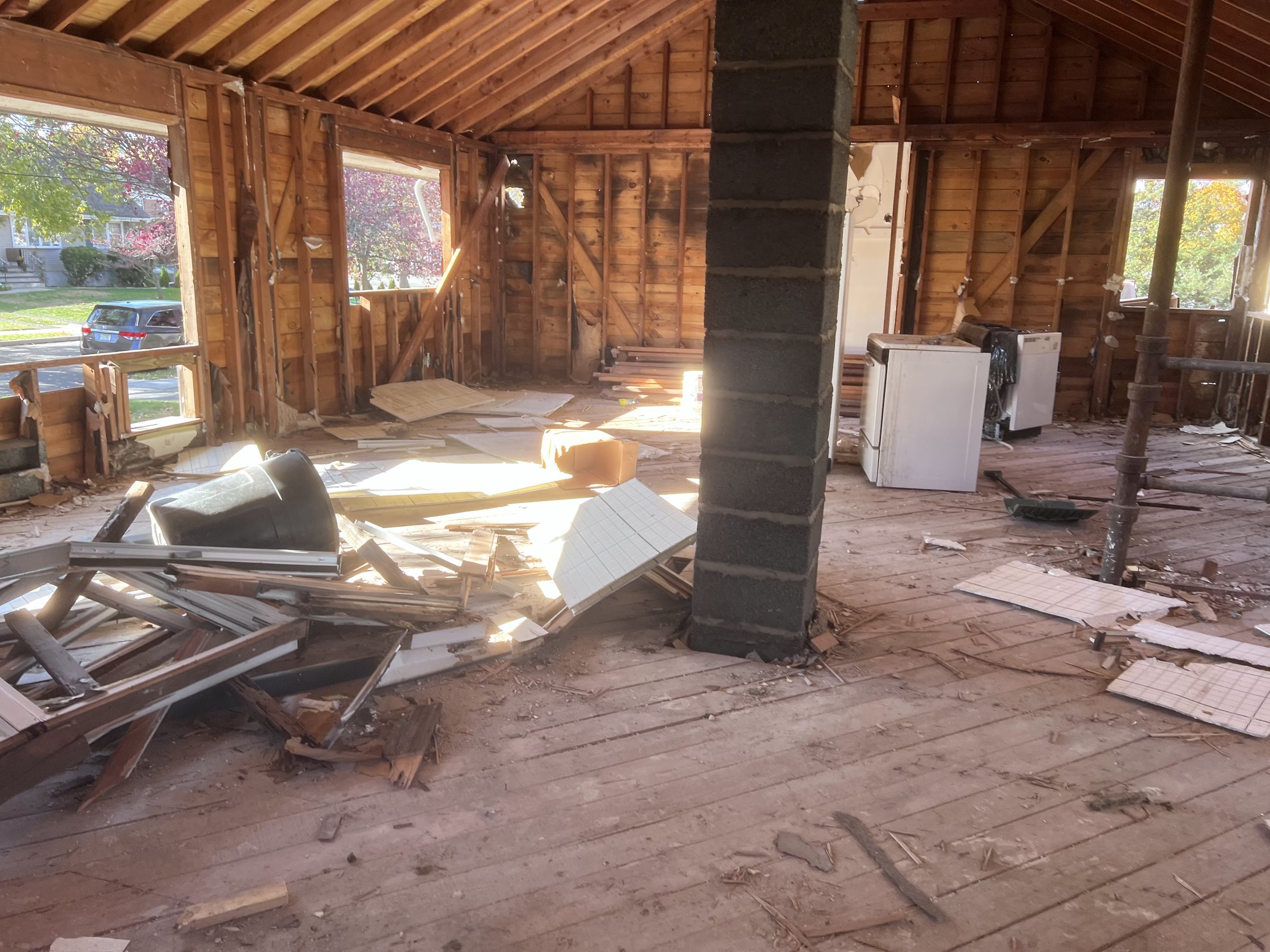
Drywall & Plastering
Drywall & Plastering
Flat walls, invisible seams, and repairs that do not read as patches under raking light.
Drywall and plaster are the surfaces everything else in a room gets judged against. Paint cannot hide a bad joint — it emphasises it, because gloss and sheen exaggerate every ridge and hollow. Wherever a window throws light along a wall, poor taping is the first thing a person sees.
We hang and finish new work, and we repair older plaster in the pre-war housing stock that is common across this part of New Jersey — which is a genuinely different craft from hanging board.
New drywall, hung properly
Board is hung to minimise joints, with seams staggered and kept away from the corners of door and window openings where stress concentrates and cracks start. Screws are set to the right depth — deep enough to dimple, not deep enough to break the paper, because a screw that tears the face has no holding power and will pop.
Ceilings get hung before walls. Correct board is used for the location: moisture-resistant in wet areas, fire-rated where assemblies require it, and thicker board or tighter framing spacing on ceilings to prevent sag.
Taping and finish levels
Finishing is a sequence of coats, each wider and thinner than the last, sanded between. Rushing it is how you get a seam that shows. Most residential work is finished to what the trade calls Level 4, which suits flat and matte paint.
Where a wall will take gloss paint, sit under a strong raking light, or carry a dark colour, a Level 5 skim — a thin coat over the entire surface — is the only way to keep the joints from reading. It costs more because it is genuinely more work, and on the wrong wall it is money wasted, so we will tell you which walls actually need it.
Plaster repair in older homes
Traditional lath and plaster fails differently from drywall. It cracks along stress lines, and it delaminates — the plaster loses its grip on the lath and the whole section goes hollow and springy even though the surface still looks intact. Skimming over a delaminated section just adds weight to something already letting go.
Where plaster is sound but cracked, it can be stabilised and repaired. Where it has lost its keys, the failed section needs to come out and be rebuilt. We check by sounding the wall before quoting, so the price reflects what is actually there.
Water damage and ceilings
A stained ceiling is a symptom. Before any repair, the leak has to be found and stopped — otherwise the new work stains too. Once it is dry, damaged material is cut back to sound board and solid framing, replaced, taped and blended.
Stains need a proper stain-blocking primer before paint. Water and smoke stains bleed straight through ordinary latex primer and reappear weeks later.
Corners, beads and curved work
Outside corners take the abuse in any home, and the bead choice decides how well they survive. Paper-faced metal bead gives a crisp, durable edge that resists the chipping vinyl bead suffers. Bullnose beads produce a softer rounded corner that suits some houses and looks wrong in others.
Archways, curved walls, coffered and tray ceilings and niches all need the bead worked before the compound, and they are where the difference between a taper and a finisher is most visible.
Sound control and specialty assemblies
If a wall is coming apart anyway, it is the cheapest opportunity you will ever get to make it quieter. Sound attenuation batts in the stud bay, resilient channel to decouple the board from the framing, a second layer of board with a damping compound between, and sealing every penetration all help, and they are all effectively free of labour cost compared with doing it later.
This matters most on bedroom walls, on the ceiling below a bathroom, in home offices and in shared walls. It is the single most common thing clients tell us afterwards they wish they had done.
Questions
Drywall & Plastering
Can you match my textured ceiling?
Most textures can be matched closely. Older sprayed textures may need the whole ceiling skimmed flat instead if an invisible match is not achievable — we will be straight with you about which.
How much dust does this make?
Sanding is dusty. We seal off the work area, use dust control, and clean up daily.
Do you paint afterwards?
Yes — see our painting service. Having the same team finish and paint means nobody is arguing about whose defect it is.
What clients said
In their own words
Whole-home gut renovationAmazing in every way. Did a full gut for my 60's home and it turned out beautiful. The home looks and feels like a brand new build.
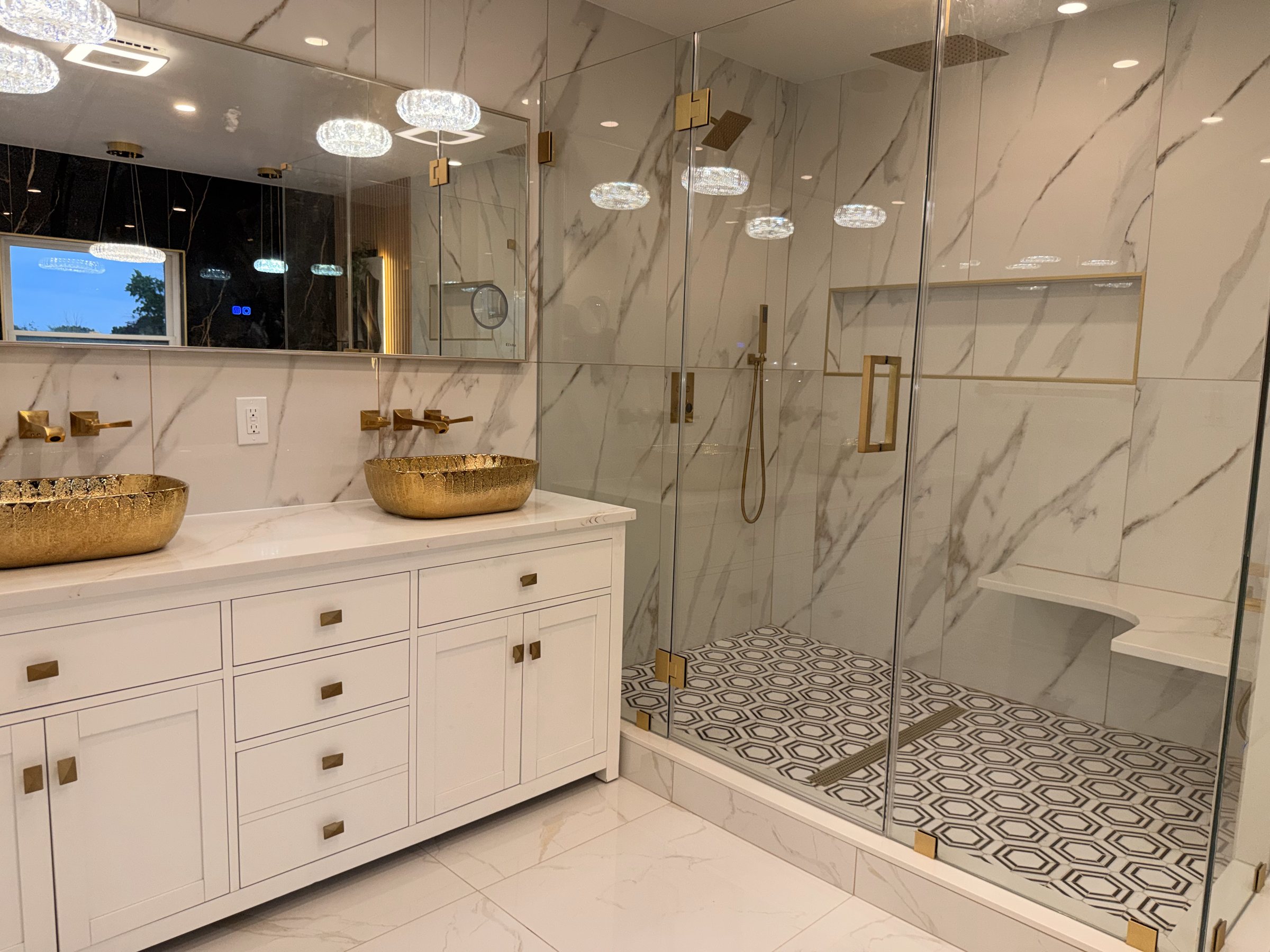 Full bathroom gut
We hired Zack's Home Improvement for a full bathroom gut and they nailed it. They demo'd everything — bathtub, shower, and floor all the way down to the walls. From there they installed a beautiful dual shower, double vanity, new tile floor plus tile in the shower and shower floor, recessed lights, built-in shelves, and cabinets. The job came out fantastic. Quality tile work, everything is level and solid, and the plumbing is perfect with zero leaks. Zack and his crew were professional, respectful of our home, and kept us updated throughout. If you want a bathroom done right the first time, call Zack's Home Improvement.
Start here
Tell us what you
are planning
We do not quote renovation work over the phone. We come and look at the space, then give you a written scope that says what is included and what is not.
Keep reading