
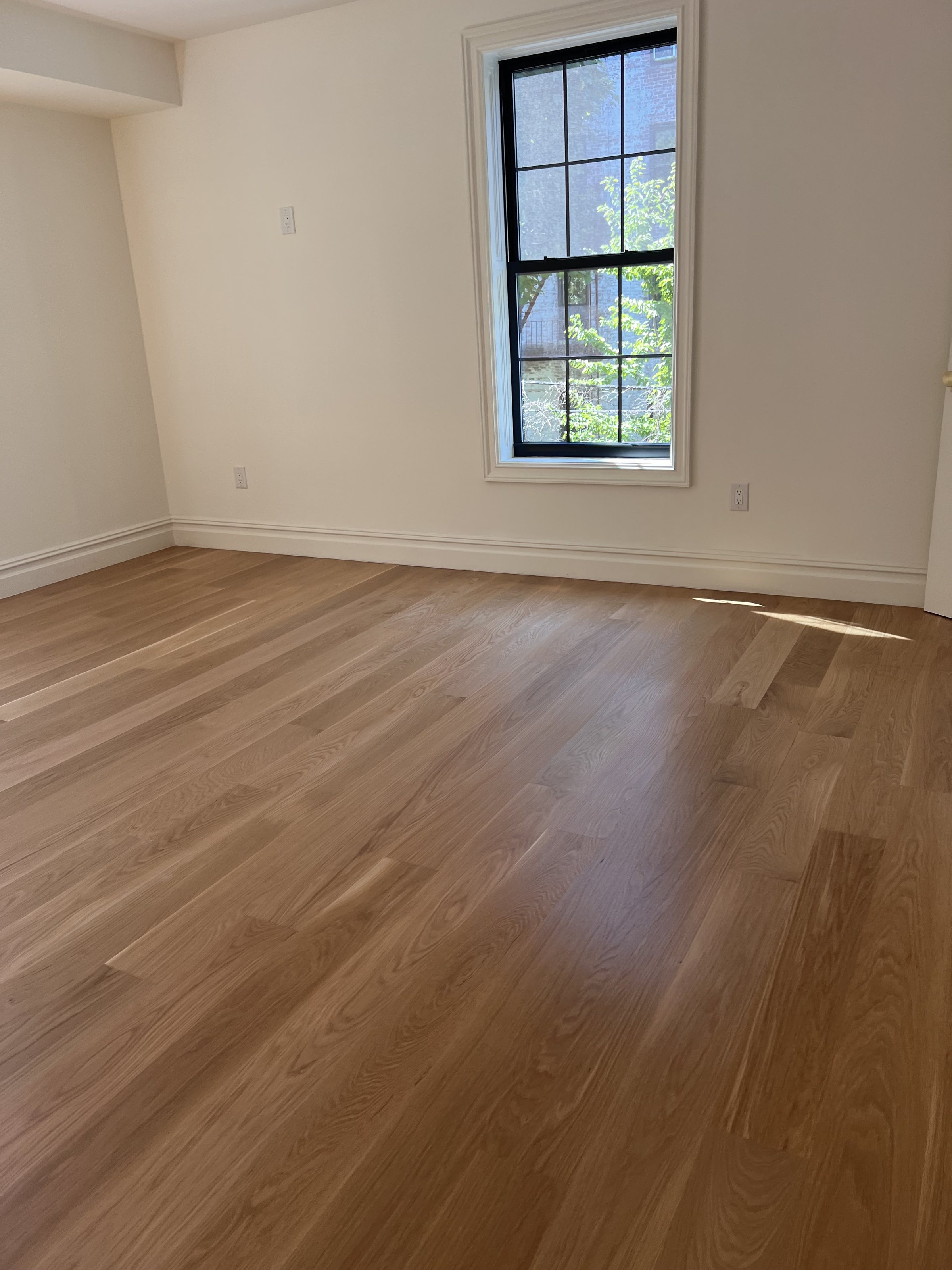
Painting
Painting
Preparation is most of the job. The paint is the easy part, and it only performs as well as the surface underneath allows.
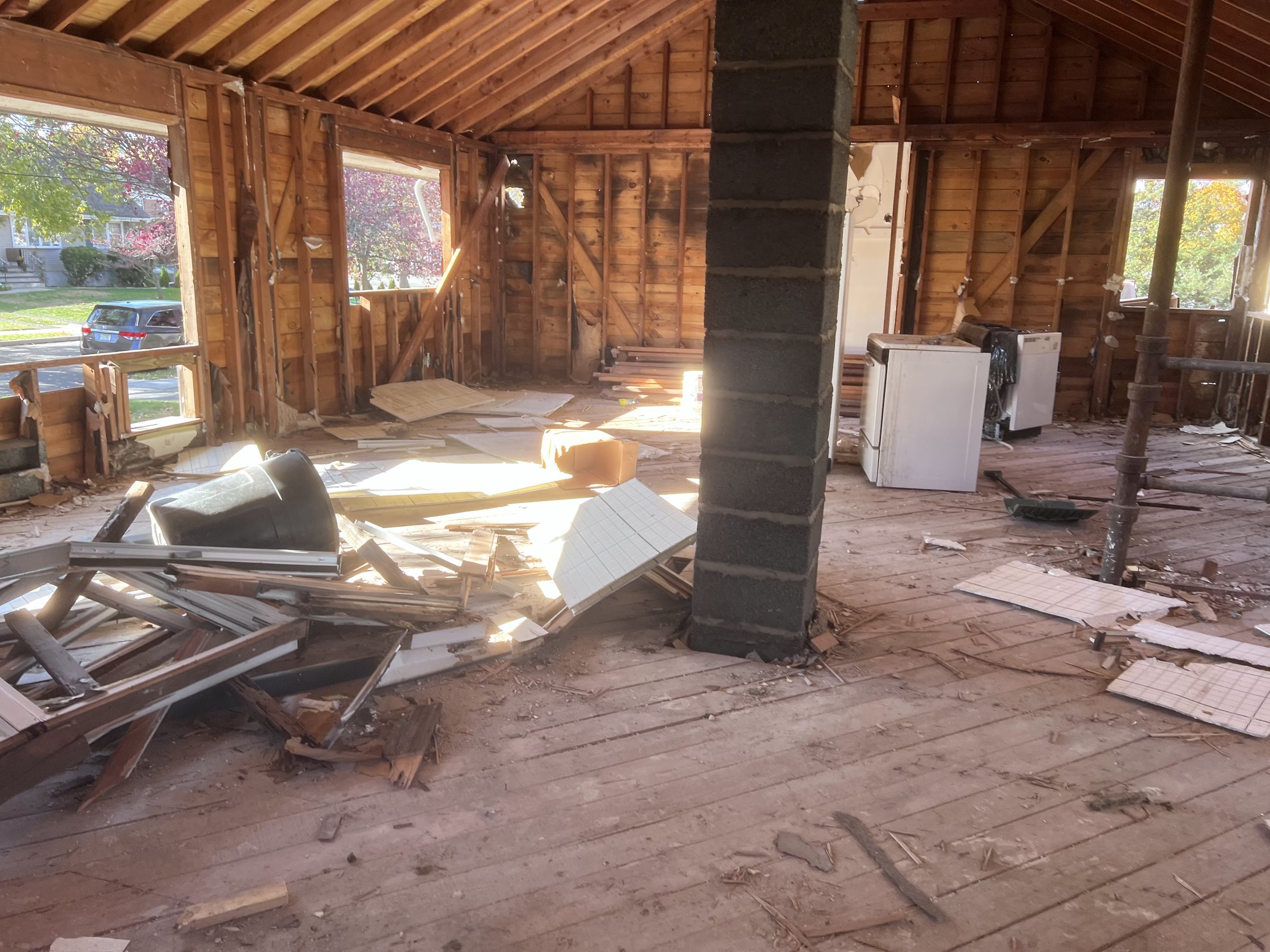
Almost every painting failure traces back to preparation. Paint peeling off a wall, a line that wanders, a colour that goes patchy, a finish that scuffs off a door within months — these are prep problems and primer problems, not paint-brand problems.
We paint as part of full renovations and as standalone work. Either way the sequence is the same: fix the surface, protect everything that is not being painted, prime what needs it, then paint.
Preparation
Surfaces get washed where they need it, because paint does not bond to grease, dust or the film that builds up on a kitchen wall over years. Glossy existing finishes get scuffed so the new coat has something to key into. Nail pops, dents, cracks and old anchor holes are filled and sanded flush.
Caulk lines at trim and along ceilings are cut out and replaced where they have split. A crisp caulk line is what makes trim look sharp, and a failed one makes even fresh paint look tired.
Everything not being painted is masked or moved. Floors are covered. This is unglamorous and it is the majority of the labour.
Priming — and when it is not optional
New drywall must be primed; the paper and the joint compound absorb very differently and unprimed board produces visibly patchy sheen. Bare wood needs primer. Water and smoke stains need a stain-blocking primer or they will bleed through however many topcoats go over them.
A dramatic colour change, particularly going light over a saturated colour, is far better served by a tinted primer than by three coats of finish paint.
Choosing the right sheen
Sheen is a functional choice before it is an aesthetic one. Flat hides surface imperfection and is hard to clean. Eggshell and satin are the practical middle ground for most living space. Semi-gloss on trim and doors takes handling and cleaning.
Kitchens and bathrooms want a washable finish. And the higher the sheen, the more every ridge and hollow in the wall shows — which is why sheen and drywall finish level are the same conversation.
Exterior work
Exterior painting lives or dies on preparation and on weather. Failing paint gets scraped back to a sound edge, bare wood gets primed, and gaps get caulked so water is not driven behind the finish.
We watch temperature and dew point rather than just the forecast — paint applied too late in the day in cool weather can fail to cure properly even though it looked fine going on.
Homes built before 1978 may contain lead paint, which changes how the surface must be handled. We will raise it if it applies rather than sanding into it.
Choosing colour, and testing it properly
Colour behaves differently in the room it is going in than it does on a chip under showroom lighting. North-facing rooms pull colour cooler and greyer. Warm artificial light pushes it the other way. A colour that reads as a soft warm white in one room can read distinctly yellow across the hall.
We recommend large samples painted on the actual wall — not the little chip — and looking at them at several points through the day before committing. Repainting a whole room because the colour was chosen under the wrong light is an expensive way to learn this.
Ceilings, trim and walls do not all have to be different colours, and trim painted the same colour as the wall in a lower sheen is a quiet, modern look that also hides a lot of imperfection in older trim.
How we leave the site
Furniture is moved and covered rather than worked around. Floors are protected for the full run of the job, not just where someone is standing. Hardware, switch plates and vent covers come off rather than being cut around, because cutting around them is what produces a wobbly line.
At the end, everything goes back, the site is cleaned, and we walk the rooms with you in daylight so anything you are not happy with gets corrected while we are still there with the paint.
Questions
Painting
Do you supply the paint?
We can, or you can. If you have a brand and colour you want, tell us and we will use it.
How many coats?
Usually two over primed surfaces. Deep colours and dramatic changes can need more, and we will say so up front rather than surprising you.
Can you paint kitchen cabinets?
Yes. Cabinet refinishing is detailed work — degreasing, sanding, and a hard-wearing finish — but it costs far less than replacement when the boxes are sound.
What clients said
In their own words
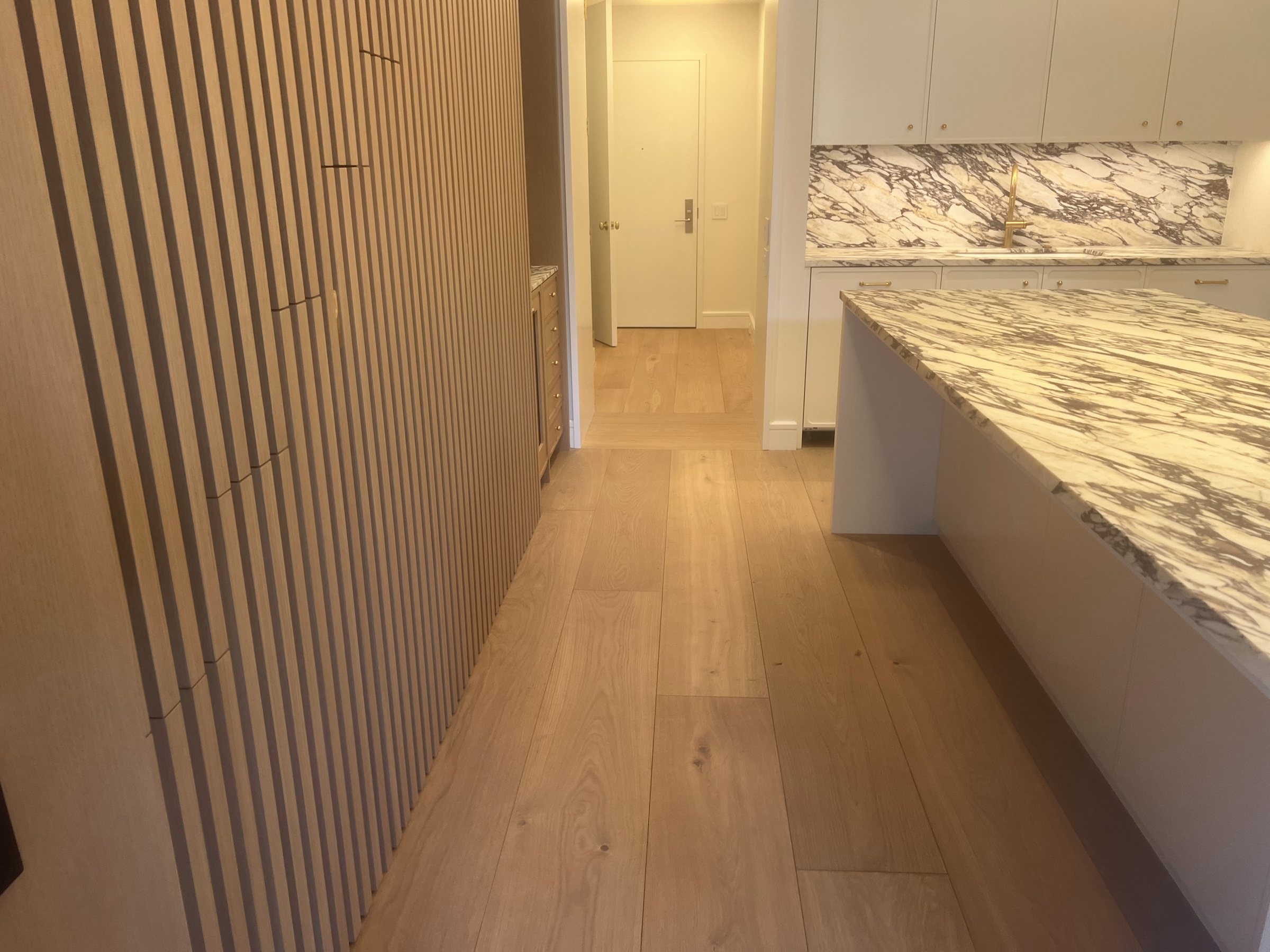 Whole-home renovation
Willie and his crew are the best. Work is done to perfection, fast and reliable. We did our entire House with Willie from floors to a complete bathroom and kitchen gut reno.
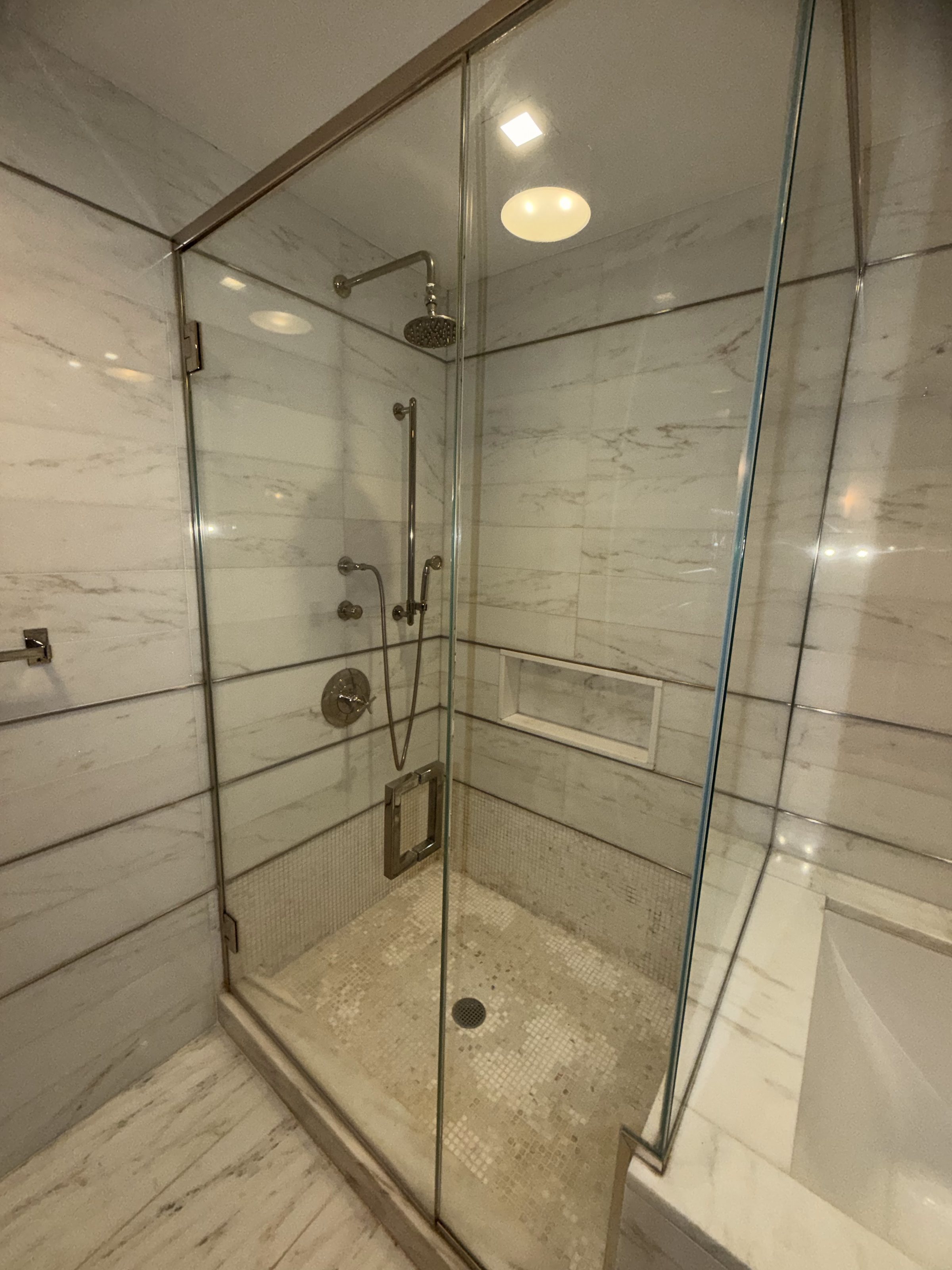 Master bathroom renovation
We could not have been more pleased with Willie with Zack's Home improvement with our master bathroom renovation. It all started with a large leak from the master shower into our office below, causing severe damage to the shower subfloor.
Start here
Tell us what you
are planning
We do not quote renovation work over the phone. We come and look at the space, then give you a written scope that says what is included and what is not.
Keep reading